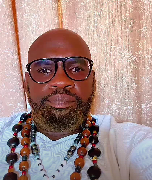

Adulthood Beyond Age and Obligation
Adulthood is not just a matter of age or responsibility — it is a sacred transition.
In ancient societies, this passage was treated with reverence. People didn’t just grow into adulthood; they were initiated into it.
Where culture and rites of passage are still honored, adulthood isn’t stumbled into by accident — it is earned through process, discipline, and initiation.
It marks the point where one stops merely existing and begins to live with purpose, awareness, and accountability.
⸻
🔑 1. Culture as the Foundation of Growth
Culture is the living memory of a people. It carries the traditions, stories, and practices that guide individuals from one stage of life to another.
In societies where adulthood is respected, no one simply declares, “You are grown now.”
You are prepared, taught, and tested until you embody the maturity that adulthood demands.
Through culture:
• You gain identity — you know who you are and where you come from.
• You gain responsibility — your life becomes a vessel carrying community values.
• You gain belonging — adulthood is not lonely independence but connected responsibility.
Culture provides both the roots and the wings — grounding you in meaning while preparing you for the responsibilities of freedom.
⸻
🔑 2. Rites of Passage as Sacred Bridges
Rites of passage act as thresholds — bridges between who you were and who you are called to become.
In many traditions, these rites involved symbolic death and rebirth. The “child” within you was laid to rest so that the “adult” could emerge — wiser, grounded, and ready to serve.
Through these rituals, you learned:
• Patience — every lesson had to be absorbed; nothing rushed.
• Courage — to face fear, pain, and duty with dignity.
• Sacrifice — to give up certain freedoms in order to protect and nurture others.
Without these initiations, adulthood loses depth. People age but remain emotionally adolescent — chasing pleasure, avoiding accountability, and mistaking independence for maturity.
When the bridge is skipped, the child continues to rule inside an adult body.
⸻
🔑 3. Process Over Shortcuts
Modern society glorifies shortcuts — fast money, quick fame, instant gratification.
But adulthood, in its sacred essence, rejects shortcuts. It is formed through process: working, failing, enduring, providing, nurturing, and creating stability.
Each challenge, each responsibility, refines your character.
• A shortcut to adulthood is often just extended adolescence disguised as freedom.
• The process of adulthood builds wisdom, emotional regulation, and resilience.
Growth takes time because identity takes depth — and depth cannot be microwaved.
The process is what makes the title “adult” carry meaning.
⸻
🔑 4. The Weight — and Honor — of Being an Adult
In cultures that preserve the sanctity of initiation, adulthood is not viewed as a burden — it is an honor.
Adults carry the weight of:
• Protecting their community.
• Guiding and mentoring the younger generation.
• Preserving traditions and values.
• Taking accountability for choices and consequences.
This weight gives life meaning.
It transforms existence from self-centered survival to communal purpose.
It makes responsibility a form of sacred leadership.
Adulthood is not about control — it’s about contribution.
Not about power — but presence.
⸻
✅ In Summary
To truly understand adulthood, one must experience it in a space where culture, process, and ritual still matter.
In such places, adulthood is not an escape from responsibility but a deep embrace of it. It is earned through patience, discipline, and self-awareness. Every lesson, every trial, every sacrifice becomes part of your initiation into wisdom.
When adulthood is honored as a sacred passage, it ceases to be a burden — it becomes a privilege.
To be an adult is to live with honor, accountability, and heart —
not because you must, but because you were shaped to.